Stamp the PastPlay free
Places › Baltimore, MD

Fort McHenry: then and now

About 1936 vs 2012 · Baltimore, MD

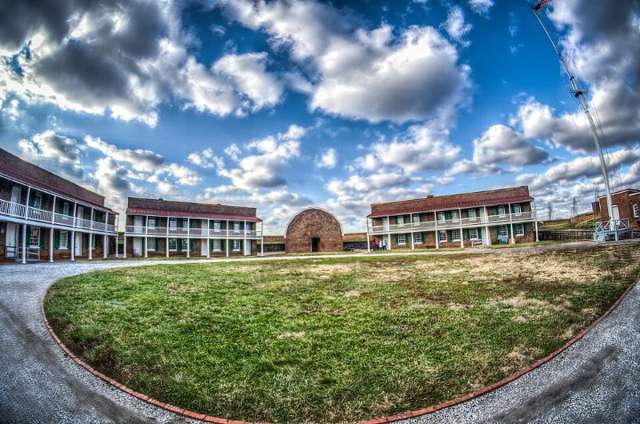
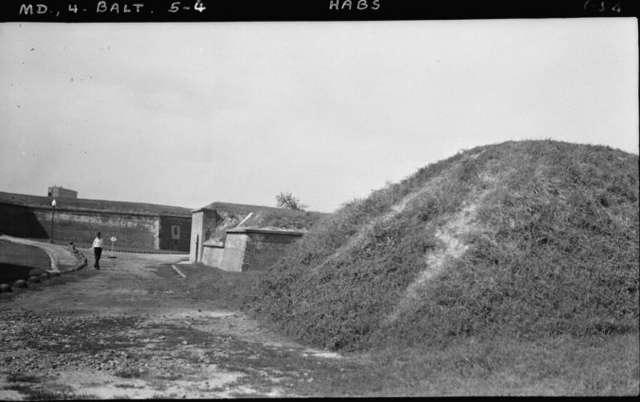
Fort McHenry, 2012Fort McHenry, About 1936
NowThen
Then, About 1936A survey photograph from about 1936 of a grassy earthwork and the passage beside it.Photo: Charles E. Peterson (Historic American Buildings Survey) · Public domain · Source · resized, cropped
Today, 2012The parade ground, brick buildings and walls of the fort under a big sky.Photo: m01229 · CC BY 2.0 · Source · resized

The story

Jean Foncin, a Frenchman, designed the fort in 1798, and it was built between 1798 and 1800 on the site of the older Fort Whetstone. It was named for James McHenry, a signer of the Constitution and the Secretary of War at the time.

On September 13 and 14, 1814, British warships bombarded the fort for 25 hours during the War of 1812. A chain of 22 sunken ships and the fort's cannons kept the ships from entering the harbor.

A huge flag, 30 by 42 feet, was raised on the morning of September 14. Francis Scott Key saw it and wrote a poem that was set to music and became "The Star-Spangled Banner". The fort became a national park in 1925 and a national monument in 1939.

Did you know? The flag was bigger than a house wall.
Historians argue about this. Many people think the fort was built for the War of 1812. Wikipedia says it was built between 1798 and 1800, well before that war.

Fact or tall tale?

Sources

More: Look for historic photos at the Library of Congress

Stamp it in person

Go there, answer the question that only someone standing at Fort McHenry can answer, and add the stamp to your passport. Free, no sign-up.

Play Baltimore

More in Baltimore

Next: George Peabody Library. Written from the cited sources, not yet walked on site unless noted.